Ball Mill About
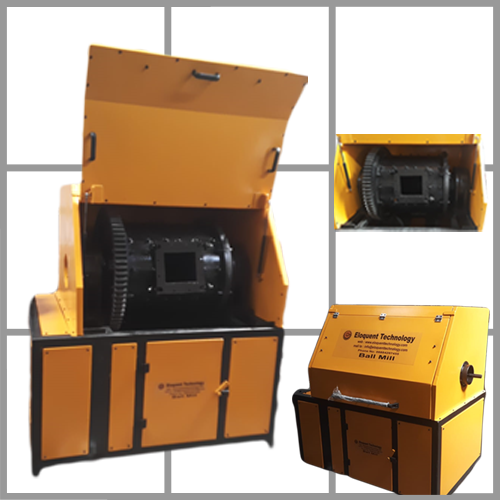
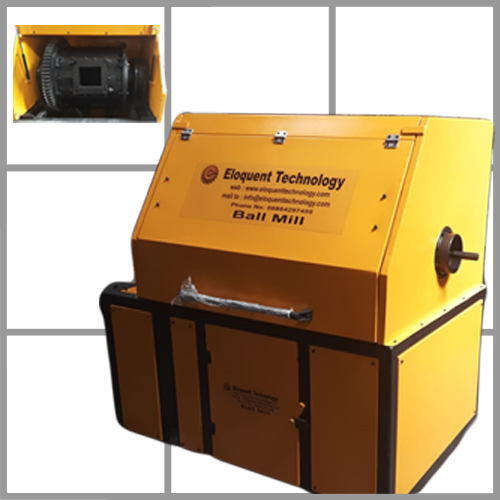
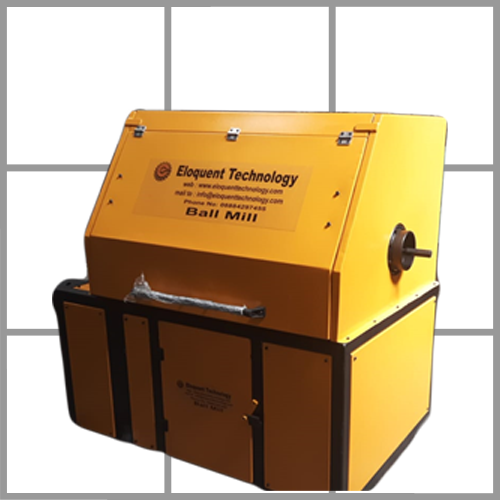
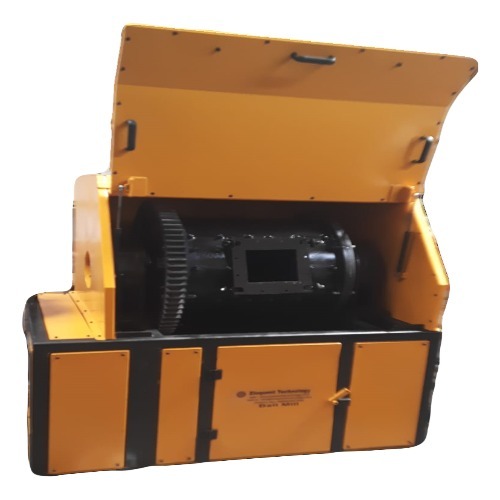
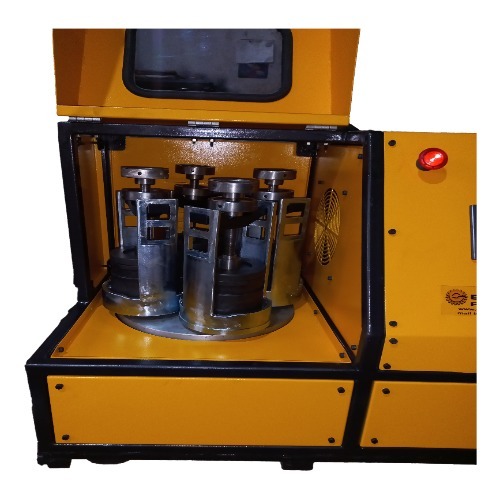
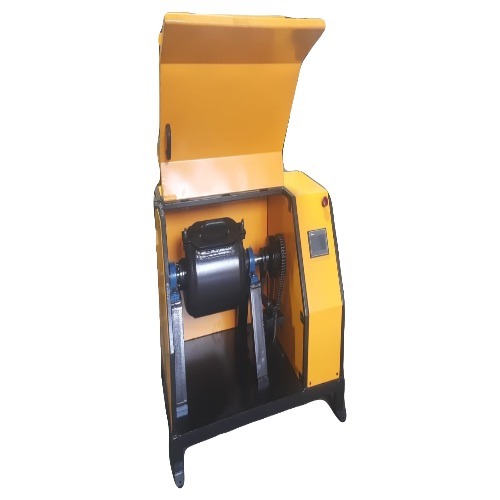
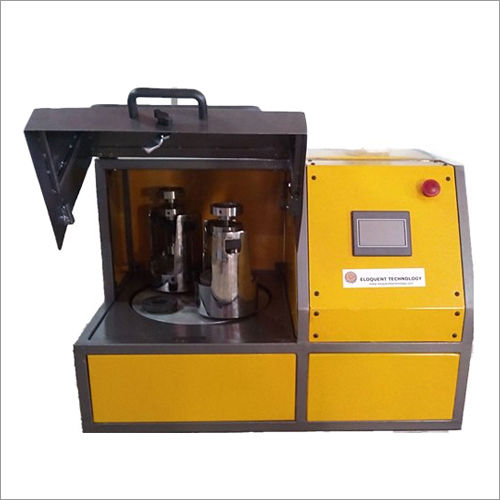
BALL MILL Eloquent Lab scale ball mill (Laboratory ball mill) is used for making test of grinding materials like ores, chemicals, ceramic materials etc, with capacity from a few kgs to about 1000 kgs.
Eloqunet Laboratory ball mill can take care of any pulverizing, milling or grinding and also homogeneous mixing of material. It is multifunction design allows it to handle wet or dry, brittle or fibrous materials.
| Capacity |
<5 kg charge(Wet/Dry) |
| Mill Size |
<400x 405 mm |
| Material feed size |
<= 10 mm |
| Output size |
<= Up to 50 Micron |
Grinding
media |
|
| Fineness |
0.1
|
Versatile Drum and Liner OptionsThis ball mill offers flexibility through its drum construction, available in mild steel or stainless steel, and liners made from rubber or high manganese steel. These materials enhance durability, corrosion resistance, and suit varying industrial requirements, making the mill ideal for a broad spectrum of grinding tasks.
High Efficiency and CustomizationDesigned for both batch and continuous operation, the ball mill allows for custom table sizes, grinding lengths, and discharge fineness. Variable speed drives, a range of capacities, and optional automatic controls ensure maximum efficiency and adaptability, regardless of the specific application or production scale.
Quiet, Reliable PerformanceGenerating noise levels below 85 dB, this ball mill delivers powerful grinding while maintaining a quieter workspace. Its robust construction, low maintenance demands, and high performance make it a reliable choice for industries seeking sustained productivity and longevity.
FAQs of Ball Mill:
Q: How does the ball mill grind materials to fine sizes?
A: The ball mill uses rotating drums filled with steel or rubber-lined interiors and a controlled ball charge (40-50% of the mill volume) to crush and grind materials. As the drum rotates horizontally, grinding balls tumble and impact the material, reducing it to particle sizes as fine as 0.075 mm (200 Mesh).
Q: What types of materials can be processed with this ball mill?
A: This ball mill is suitable for grinding and mixing a wide range of materials including cement, chemicals, minerals, ores, glazes, paints, and pyrotechnics. Its corrosion-resistant and durable construction also makes it suitable for both abrasive and sensitive materials.
Q: When should I choose rubber liners over high manganese steel liners?
A: Rubber liners are generally preferred for applications requiring reduced noise and minimal contamination, while high manganese steel liners are recommended for demanding abrasive grinding tasks due to their superior wear resistance.
Q: Where can the ball mill be installed and used?
A: The ball mill is intended for industrial environments such as manufacturing plants, chemical processing facilities, mining operations, and other locations requiring efficient bulk material grinding and mixing. Its size and configuration can be customized to suit available floor space and production needs.
Q: What is the process for setting the working speed and discharge size?
A: The working speed is adjustable up to 36 RPM, and both grinding wheel and spindle speeds are variable. Discharge size adjustments are achieved by selecting suitable liners and controlling operation parameters, ensuring precise output size as required.
Q: What benefits does this ball mill offer for industrial operations?
A: Key advantages include high grinding efficiency, customizable capacity and dimensions, low operational noise, and compatibility with manual or automatic controls. Its sturdy build ensures long service life with minimal maintenance, optimizing productivity and cost-effectiveness.





 Send Inquiry

